
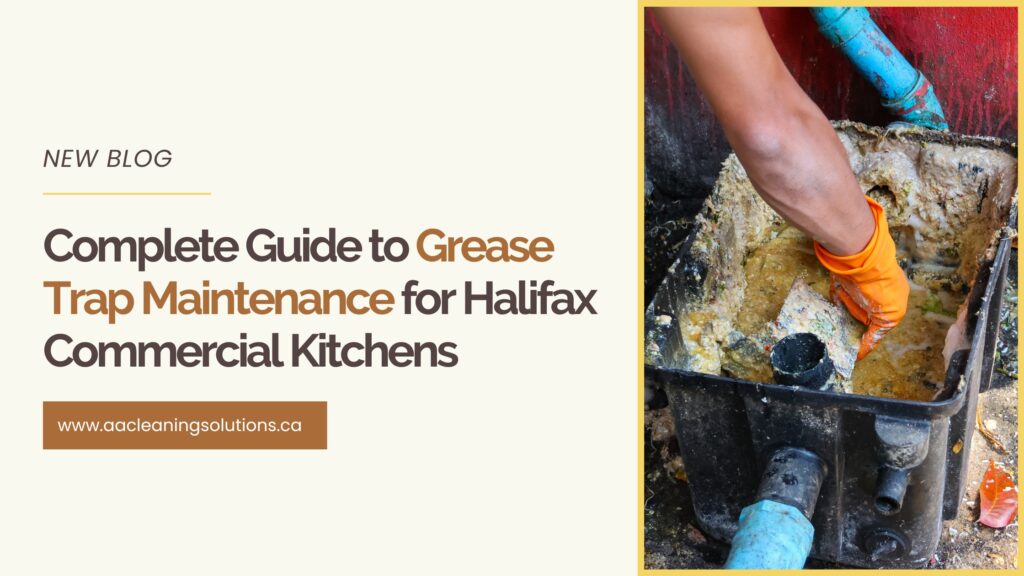
Running a commercial kitchen in Halifax comes with numerous responsibilities, but few are as critical—or as overlooked—as proper grease trap maintenance Halifax. Whether you’re operating a bustling downtown restaurant or a cozy café in Dartmouth, understanding the ins and outs of grease trap care can save you thousands of dollars in repairs, fines, and operational headaches.
Think of your grease trap as the unsung hero of your kitchen’s plumbing system. It quietly works behind the scenes, capturing fats, oils, and grease (FOG) before they can wreak havoc on Halifax’s municipal sewer system. But like any hero, it needs proper care and attention to perform at its best.
In this comprehensive guide, we’ll walk you through everything you need to know about commercial kitchen grease trap cleaning Halifax, from understanding local regulations to establishing maintenance schedules that keep your business running smoothly. By the end, you’ll have the knowledge to protect your investment and ensure your kitchen operates efficiently for years to come.
Understanding Grease Traps and Their Critical Role
What Exactly Is a Grease Trap?
A grease trap, also known as a grease interceptor, is a specialized plumbing device designed to capture FOG (Fats, Oils, Grease) removal before wastewater enters the municipal sewer system . These devices work on a simple principle: since grease is lighter than water, it floats to the surface where it can be contained and removed.
Commercial grease trap systems come in various sizes and configurations, from small under-sink units suitable for coffee shops to massive in-ground interceptors that serve large restaurant complexes. The size you need depends on your kitchen’s volume, the type of cooking you do, and local regulations.
Why Grease Traps Are Essential for Halifax Restaurants
Halifax’s municipal infrastructure, like most cities, wasn’t designed to handle the massive amounts of grease that modern commercial kitchens produce. Without proper grease interceptor systems, FOG accumulates in sewer lines, causing blockages that can back up into your kitchen—or worse, into the street.
The environmental impact is equally significant. When grease enters Halifax Harbor through the sewer system, it creates serious ecological problems. This is why environmental compliance restaurants must follow strict guidelines for wastewater management commercial kitchens.
Halifax Municipal Grease Trap Requirements and Regulations
Understanding Local Compliance Standards
Halifax municipal grease trap requirements are comprehensive and strictly enforced. All commercial food service establishments must install and maintain grease traps according to specific standards. These regulations aren’t just bureaucratic red tape—they’re essential for protecting our shared infrastructure and environment.
The Halifax Regional Municipality (HRM) requires that commercial grease trap regulations Halifax be followed by all food service establishments, including restaurants, cafeterias, hotels, and even food trucks operating within the region. This extends to surrounding areas like Dartmouth grease trap cleaning and Bedford commercial kitchen maintenance requirements.
Penalties for Non-Compliance
What happens if you ignore these requirements? The consequences can be severe:
- Fines ranging from $500 to $10,000 for first-time violations
- Permit suspension or revocation for repeat offenders
- Mandatory cleanup costs if your grease causes sewer blockages
- Legal liability for environmental damage
These penalties underscore why grease trap compliance Nova Scotia should be a top priority for every commercial kitchen operator.
People also
The Science Behind Proper Grease Trap Maintenance
Understanding the 25% Rule
The 25% rule grease trap cleaning is a fundamental principle that every restaurant owner should understand. This rule states that grease traps should be cleaned when the combined depth of grease and solids reaches 25% of the trap’s total capacity .
Why 25% and not 50% or 75%? At this threshold, the trap still functions effectively while providing a safety margin before problems develop. Waiting longer significantly increases the risk of:
- Sewer backup prevention failures
- Reduced trap efficiency
- Unpleasant odors in your kitchen
- Potential regulatory violations

How Grease Traps Actually Work
Understanding the mechanics helps you maintain your system more effectively. Wastewater management commercial kitchens relies on a three-chamber system:
- First Chamber: Incoming wastewater slows down, allowing solids to settle
- Second Chamber: Grease rises to the surface while cleaner water flows underneath
- Third Chamber: Relatively clean water exits to the sewer system
This process requires proper drain line maintenance and regular monitoring to function correctly.
Establishing Your Grease Trap Cleaning Schedule
How Often Should Commercial Grease Traps Be Cleaned?
The grease trap cleaning frequency commercial kitchens depends on several factors:
High-Volume Operations (Daily cleaning recommended):
- Fast-food restaurants with fryers
- Busy downtown Halifax establishments
- Hotels with multiple food service areas
Medium-Volume Operations (Weekly to bi-weekly cleaning):
- Casual dining restaurants
- Cafeterias and institutional kitchens
- Catering operations
Lower-Volume Operations (Monthly cleaning may suffice):
- Coffee shops with minimal food prep
- Bakeries without fryers
- Small cafés
However, restaurant grease trap maintenance Nova Scotia regulations require that you monitor your trap regularly regardless of your cleaning schedule. The 25% rule always takes precedence over calendar-based schedules.
Seasonal Considerations for Halifax Kitchens
Halifax’s climate presents unique challenges for commercial kitchen FOG management. Winter months often see increased indoor dining, while summer brings patio season and higher tourist volumes. Adjust your grease trap pumping schedule accordingly:
Winter Adjustments:
- Increased indoor dining may require more frequent cleaning
- Cold temperatures can cause grease to solidify faster
- Holiday seasons typically increase kitchen volume
Summer Considerations:
- Tourist season increases restaurant traffic
- Outdoor events and catering peak
- Warmer temperatures may accelerate bacterial growth in traps
Professional vs. DIY Grease Trap Maintenance
When to Call the Professionals
While small under-sink traps might be manageable for restaurant staff, most commercial kitchen grease trap cleaning Halifax requires professional service. Here’s when you should definitely call the experts:
Large Interceptor Systems:
- In-ground grease interceptors
- Systems serving multiple kitchens
- Traps larger than 50 gallons
Complex Maintenance Issues:
- Automatic grease removal systems repairs
- Septic system protection concerns
- Integration with commercial dishwasher drainage
Regulatory Compliance:
- Required documentation and reporting
- Environmental waste disposal
- Municipal inspection preparation
What Professional Services Include
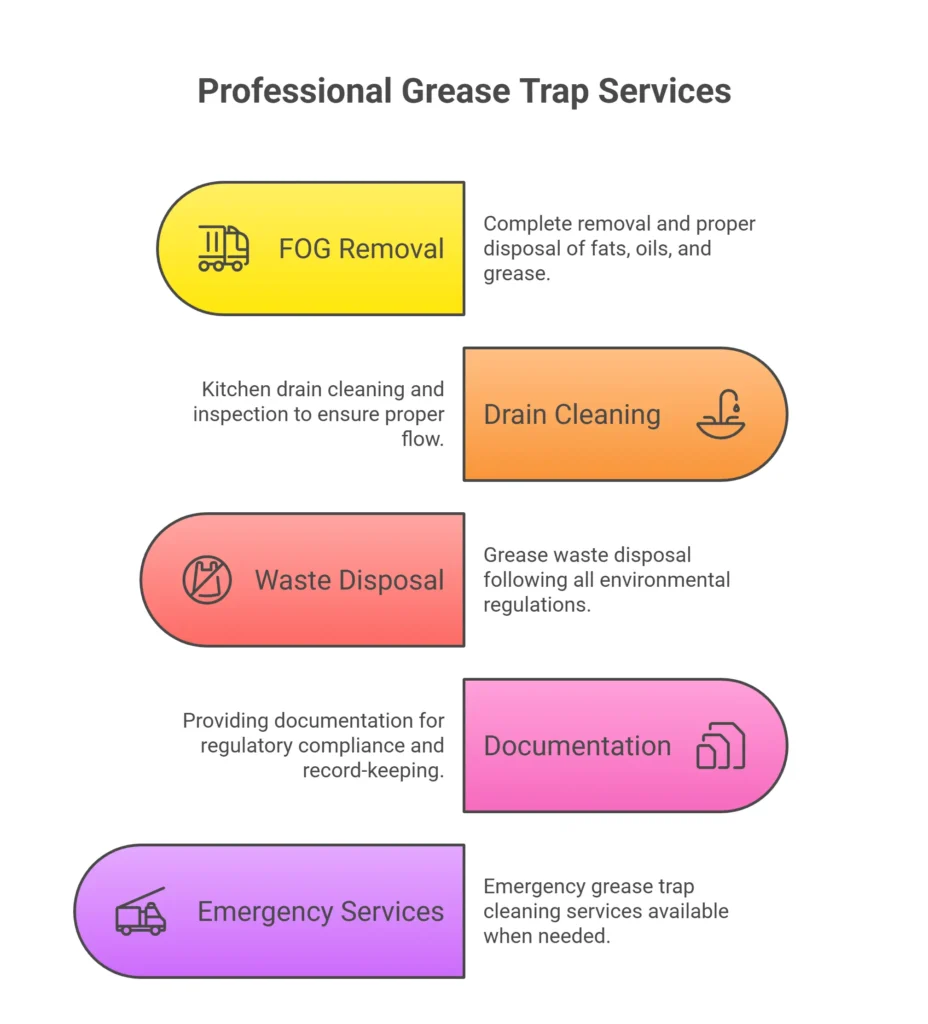
Halifax grease trap services typically provide comprehensive maintenance that goes beyond simple pumping:
- Complete FOG removal and proper disposal
- Kitchen drain cleaning and inspection
- Grease waste disposal following environmental regulations
- Documentation for regulatory compliance
- Emergency grease trap cleaning services Halifax when needed
Cost Considerations and ROI of Proper Maintenance
Understanding Maintenance Costs
Grease trap pumping Halifax costs vary significantly based on several factors:
Small Under-Sink Traps: $150-$300 per service Medium Commercial Traps: $300-$600 per service Large Interceptor Systems: $600-$1,200 per service
While these costs might seem significant, they pale in comparison to the expenses associated with neglected maintenance:
- Emergency plumbing repairs: $2,000-$10,000
- Municipal fines: $500-$10,000
- Lost business during closures: Potentially thousands per day
- Environmental cleanup costs: $10,000-$100,000+
Calculating Your ROI
Cost-effective grease trap maintenance Halifax restaurants follow a simple principle: prevention costs far less than remediation. Consider this example:
A medium-sized restaurant spending $400 monthly on professional maintenance ($4,800 annually) versus one major sewer backup costing $8,000 in repairs plus $3,000 in lost revenue during closure. The math is clear—regular maintenance pays for itself.
Signs Your Grease Trap Needs Immediate Attention
Visual and Olfactory Indicators
How do I know if my grease trap needs cleaning? Watch for these warning signs:
Immediate Red Flags:
- Slow draining sinks or floor drains
- Persistent odors in the kitchen or dining area
- Visible grease buildup around drain openings
- Gurgling sounds from drains
Operational Issues:
- Dishwasher backing up during operation
- Water pooling around kitchen equipment
- Fruit flies or other pests near drains
- Grease appearing in unexpected locations
Emergency Situations
Some situations require immediate professional intervention:
- Complete drain blockage preventing kitchen operation
- Sewage backup into the kitchen
- Strong odors affecting customer areas
- Municipal inspection scheduled within days
In these cases, emergency grease trap cleaning services Halifax can prevent minor issues from becoming major disasters.
Best Practices for Daily Grease Trap Care
Staff Training and Protocols
Effective restaurant sanitation protocols start with proper staff training. Your team should understand:
Daily Maintenance Tasks:
- Scraping plates thoroughly before washing
- Using strainer baskets in all sinks
- Avoiding pouring grease down drains
- Monitoring trap levels regularly
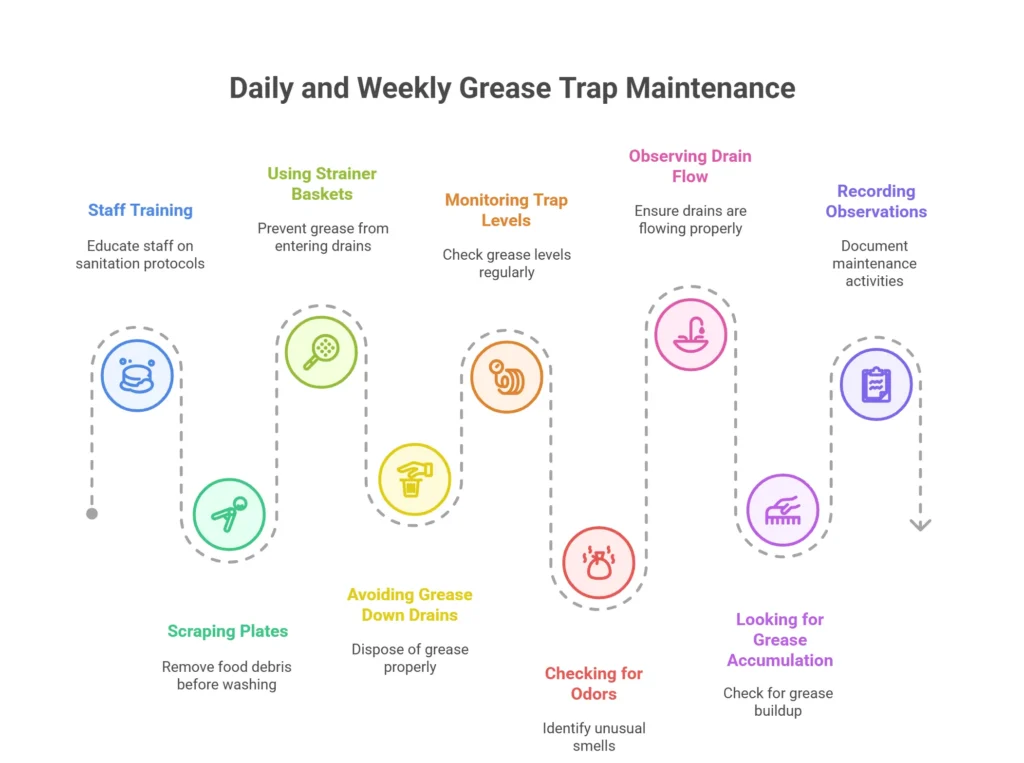
Weekly Inspection Procedures:
- Checking for unusual odors
- Observing drain flow rates
- Looking for grease accumulation
- Recording observations in maintenance logs
Kitchen Design Considerations
Commercial kitchen safety extends to proper grease management design. Just as professional hood cleaning services are essential for fire safety and compliance, proper grease trap design is crucial for wastewater management:
Optimal Placement:
- Grease traps should be easily accessible for maintenance
- Adequate ventilation around trap areas
- Clear pathways for service vehicles
- Proper lighting for inspections
Equipment Integration:
- Commercial dishwasher drainage should route through grease traps
- Pre-rinse stations need proper grease capture
- Floor drains require appropriate sizing
- Kitchen exhaust cleaning systems should complement grease management
Environmental Responsibility and Sustainability
Protecting Halifax’s Waterways
Environmental compliance restaurants play a crucial role in protecting Halifax Harbor and surrounding waterways. Proper grease trap maintenance prevents:
- Marine ecosystem damage from FOG pollution
- Sewer overflow events during heavy rains
- Treatment plant disruption affecting water quality
- Costly infrastructure repairs funded by taxpayers
Sustainable Practices
Modern commercial food service equipment offers opportunities for more sustainable grease management:
Grease Recycling Programs:
- Converting waste cooking oil to biodiesel
- Partnering with local recycling companies
- Reducing landfill waste
- Creating additional revenue streams
Water Conservation:
- High-efficiency dishwashers reduce grease load
- Pre-rinse spray valves minimize water usage
- Proper maintenance reduces system inefficiencies
Technology and Innovation in Grease Management
Automatic Grease Removal Systems
Automatic grease removal systems represent the cutting edge of commercial kitchen technology. These systems offer:
Continuous Operation:
- Automatic skimming of surface grease
- Reduced manual maintenance requirements
- Consistent performance regardless of staff attention
- Integration with kitchen management systems
Smart Monitoring:
- Real-time capacity monitoring
- Automated service scheduling
- Performance analytics and reporting
- Remote monitoring capabilities
Future Trends
The industry continues evolving with innovations like:
- IoT-enabled monitoring systems
- Predictive maintenance algorithms
- Enhanced biological treatment methods
- Improved recycling technologies
Choosing the Right Service Provider
What to Look for in Halifax Grease Trap Services
When selecting grease trap cleaning companies Halifax, consider these factors:
Licensing and Certification:
- Proper waste hauling permits
- Environmental compliance certifications
- Insurance coverage for liability protection
- Local municipal approvals
Service Capabilities:
- 24/7 emergency response availability
- Comprehensive maintenance programs
- Proper waste disposal methods
- Documentation and reporting services
Experience and Reputation:
- Years serving Halifax commercial kitchens
- References from similar businesses
- Understanding of local regulations
- Competitive pricing with transparent billing
Questions to Ask Potential Providers
Before committing to a service provider, ask:
- How do you ensure compliance with Halifax municipal requirements?
- What documentation do you provide for regulatory purposes?
- How quickly can you respond to emergency situations?
- What happens to the grease waste after removal?
- Do you offer maintenance contracts with guaranteed response times?
Conclusion: Protecting Your Investment Through Proper Maintenance
Effective grease trap maintenance Halifax isn’t just about regulatory compliance—it’s about protecting your business investment and ensuring smooth operations. From understanding the 25% rule grease trap cleaning to establishing relationships with reliable Halifax grease trap services, every aspect of maintenance contributes to your restaurant’s success.
The costs of proper maintenance pale in comparison to the expenses associated with neglect. Whether you’re operating in downtown Halifax, Dartmouth, or anywhere in the HRM, establishing a comprehensive grease trap maintenance program protects your business, your customers, and our shared environment.
Remember, commercial kitchen grease trap cleaning Halifax is an ongoing responsibility, not a one-time task. By implementing the strategies outlined in this guide, you’ll ensure your kitchen operates efficiently while meeting all regulatory requirements.
Ready to establish a comprehensive grease trap maintenance program for your Halifax commercial kitchen? Contact AA Cleaning Solutions today for professional assessment and customized maintenance plans that keep your business running smoothly while protecting our community’s infrastructure.
Frequently Asked Questions
The frequency depends on your kitchen’s volume and the 25% rule grease trap cleaning principle. High-volume restaurants may need weekly cleaning, while smaller operations might require monthly service. However, you should always clean when grease and solids reach 25% of the trap’s capacity, regardless of time elapsed. Restaurant grease trap maintenance Nova Scotia regulations require regular monitoring to ensure compliance.
Halifax municipal grease trap requirements violations can result in fines ranging from $500 to $10,000, permit suspension, mandatory cleanup costs, and legal liability for environmental damage. Grease trap compliance Nova Scotia is strictly enforced, and repeat violations can lead to business closure. The costs of non-compliance far exceed regular maintenance expenses.
While small under-sink traps might be manageable for staff, most commercial kitchen grease trap cleaning Halifax requires professional service. Large interceptor systems, automatic grease removal systems, and complex installations need specialized equipment and expertise. Professional services also ensure proper grease waste disposal and regulatory documentation.
Grease trap pumping Halifax costs vary by system size: small traps ($150-$300), medium commercial systems ($300-$600), and large interceptors ($600-$1,200) per service. While these costs seem significant, they’re minimal compared to emergency repairs ($2,000-$10,000), municipal fines, or environmental cleanup costs that can reach $100,000+.
Watch for slow draining sinks, persistent odors, visible grease buildup, gurgling sounds from drains, dishwasher backups, and water pooling around equipment. These symptoms indicate your FOG (Fats, Oils, Grease) removal system is overwhelmed. Emergency grease trap cleaning services Halifax should be contacted immediately if you experience complete blockages or sewage backups that prevent kitchen operation.